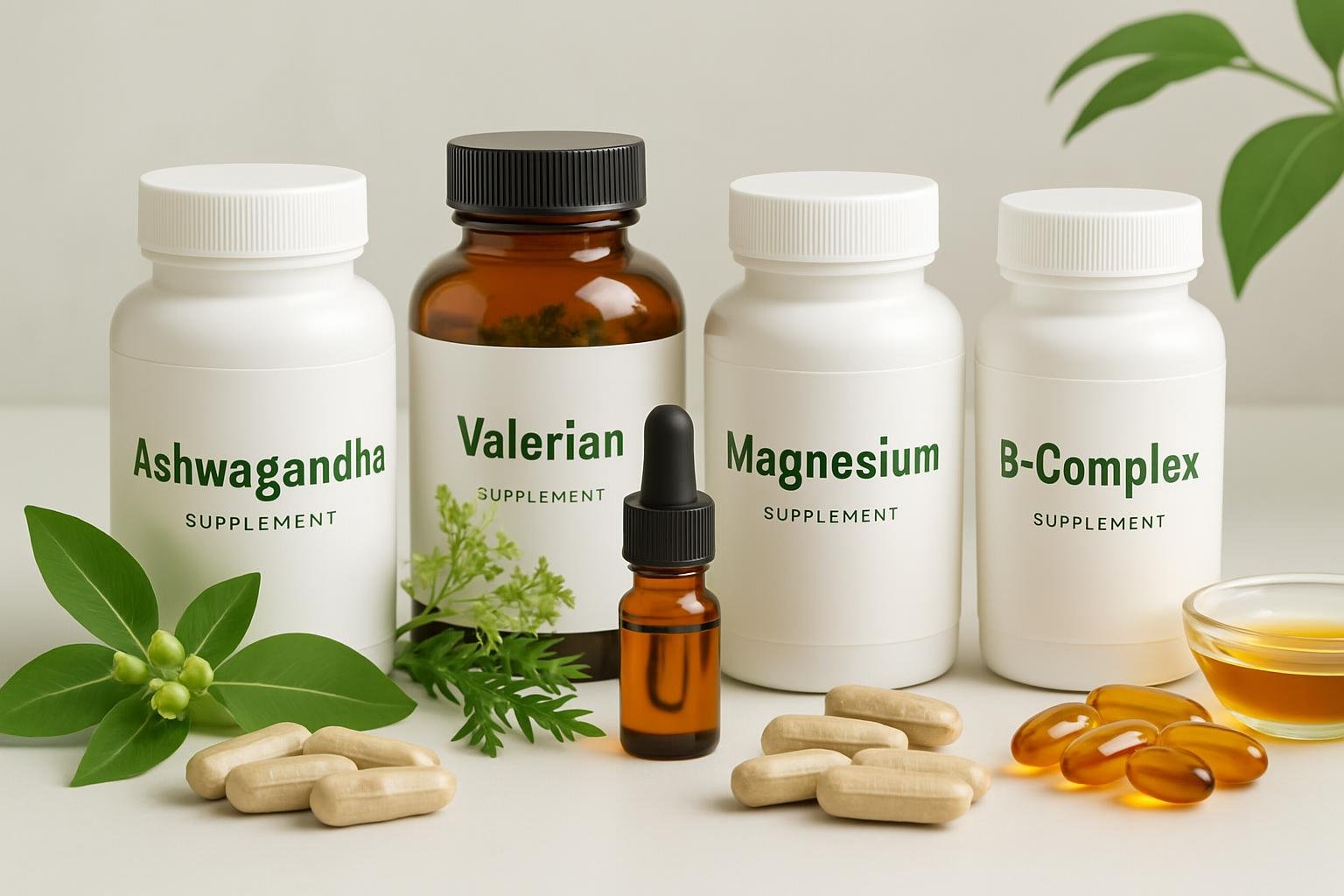
In our increasingly fast-paced world, stress and anxiety have become common companions for many people. While lifestyle modifications like regular exercise, adequate sleep, and mindfulness practices form the foundation of stress management, natural supplements can provide additional support for those seeking relief. This comprehensive guide explores evidence-based natural supplements for stress and anxiety reduction, their mechanisms of action, and proper usage guidelines to help you make informed decisions about incorporating them into your wellness routine.
Understanding Stress and How Supplements Can Help
Before diving into specific supplements, it's important to understand how stress affects your body and mind. When you encounter a stressor, your body activates the sympathetic nervous system—the "fight or flight" response—triggering the release of stress hormones like cortisol and adrenaline. These hormones prepare your body to respond to perceived threats by increasing heart rate, blood pressure, and energy availability. This process is mediated by the hypothalamic-pituitary-adrenal (HPA) axis, as described by Ulrich-Lai and Herman (2009) in their review published in Nature Reviews Neuroscience [1].
While this stress response is adaptive in the short term, chronic activation can lead to various health problems, including anxiety disorders, sleep disturbances, digestive issues, and impaired immune function. Research by McEwen (2017) published in Metabolism highlights how chronic stress leads to allostatic load, the cumulative wear and tear on the body that results from prolonged stress responses [2]. Natural supplements work through various mechanisms to help regulate this stress response, including:
- Modulating neurotransmitter activity (particularly GABA, serotonin, and dopamine), as reviewed by Lakhan and Vieira (2010) in Nutrition Journal [3].
- Reducing cortisol levels and supporting healthy HPA axis function, as demonstrated by Chandrasekhar et al. (2012) for ashwagandha [4].
- Providing essential nutrients that support nervous system health, such as B vitamins and magnesium, as discussed by Kennedy (2016) in Nutrients [5].
- Reducing inflammation and oxidative stress in the brain, mechanisms highlighted by Berk et al. (2013) in BMC Medicine [6].
- Enhancing resilience to stressors (adaptogenic effects), a concept reviewed by Panossian and Wikman (2010) in Pharmaceuticals [7].
Evidence-Based Natural Supplements for Stress and Anxiety
Adaptogenic Herbs
Adaptogens are a unique class of herbs that help the body resist physical, chemical, and biological stressors. They work by normalizing physiological functions and enhancing the body's ability to adapt to stress, rather than simply suppressing symptoms. Panossian and Wikman (2010) explain that adaptogens exert their effects by regulating key mediators of the stress response, including cortisol, nitric oxide, and stress-activated protein kinases [7].
Ashwagandha (Withania somnifera)
Ashwagandha stands as one of the most well-researched adaptogenic herbs for stress and anxiety relief. A systematic review by Pratte et al. (2014) published in the Journal of Alternative and Complementary Medicine analyzed five high-quality clinical trials and found that ashwagandha root extract significantly reduced stress and anxiety scores compared to placebo treatments [8]. The review concluded that ashwagandha consistently demonstrated superior stress reduction compared to placebo across multiple studies.
This powerful herb appears to work primarily by reducing cortisol levels and modulating stress signaling in the brain. A landmark randomized controlled trial by Chandrasekhar et al. (2012) published in the Indian Journal of Psychological Medicine found that participants taking ashwagandha extract (300mg twice daily) experienced a 44% reduction in perceived stress scores and a significant 27.9% reduction in serum cortisol levels after 60 days [4]. Research by Lopresti et al. (2019) further elucidated its mechanism, showing effects on GABAergic signaling and HPA axis regulation [9].
Typical dosage: 300-600mg of standardized extract (containing at least 5% withanolides) daily, with effects typically becoming noticeable after 2-4 weeks of consistent use. A study by Langade et al. (2019) demonstrated improvements in sleep quality alongside anxiety reduction [10].
Rhodiola Rosea
Rhodiola has been used for centuries in traditional medicine systems of Russia and Scandinavia to combat fatigue and enhance mental performance under stress. Modern research supports these traditional uses, with clinical studies demonstrating its effectiveness for stress-related fatigue and burnout symptoms. Panossian et al. (2010) reviewed its pharmacology, highlighting its ability to influence levels and activity of monoamines and opioid peptides such as beta-endorphins [7].
A randomized, double-blind, placebo-controlled trial by Edwards et al. (2012) published in Phytotherapy Research found that participants taking Rhodiola extract (200mg twice daily) experienced significant improvements in stress symptoms, fatigue, and overall mood compared to those taking placebo after just 14 days [11]. The herb appears to work by modulating stress hormone levels (particularly cortisol) and supporting healthy neurotransmitter balance, including serotonin and dopamine.
Typical dosage: 200-400mg of standardized extract (containing 3% rosavins and 1% salidroside) daily, preferably taken in the morning due to its mildly stimulating effects. A study by Olsson et al. (2009) demonstrated its effectiveness in reducing fatigue and improving mental performance during stressful examination periods for students [12].
Holy Basil (Ocimum sanctum)
Also known as Tulsi, Holy Basil is revered in Ayurvedic medicine as an "elixir of life" and has demonstrated impressive stress-relieving properties in modern research. A randomized, double-blind, placebo-controlled study by Saxena et al. (2012) published in Evidence-Based Complementary and Alternative Medicine found that participants taking Holy Basil extract (500mg twice daily) experienced significant reductions in general stress symptoms, sexual problems, sleep problems, and forgetfulness compared to placebo after 6 weeks [13].
Holy Basil contains several bioactive compounds, including eugenol, caryophyllene, and triterpenoic acids (like ursolic acid), which appear to help normalize cortisol levels, reduce inflammation, and support healthy immune function during periods of stress. Research by Cohen (2014) published in the Journal of Ayurveda and Integrative Medicine reviewed its multifaceted benefits, including its adaptogenic and anxiolytic properties [14]. Its mechanism involves modulating the HPA axis and neurotransmitter systems.
Typical dosage: 300-600mg of standardized extract daily, often divided into two doses. It can also be consumed as a tea. A study by Bhattacharyya et al. (2008) demonstrated its effectiveness in improving stress parameters in animal models [15].
Amino Acids and Precursors
Certain amino acids and their precursors serve as building blocks for neurotransmitters involved in mood regulation and stress response. Supplementing with these compounds can help support optimal neurotransmitter function during periods of stress.
L-Theanine
L-Theanine, an amino acid found naturally in green tea, has gained significant attention for its calming effects without sedation. Research shows that L-Theanine promotes relaxation by increasing alpha brain wave activity, which is associated with a state of "alert relaxation." Kimura et al. (2007) demonstrated this effect using EEG measurements in a study published in Biological Psychology [16].
A systematic review by Hidese et al. (2019) published in the journal Nutrients analyzed 9 randomized controlled trials and found that L-Theanine significantly reduced stress and anxiety in people experiencing stressful conditions [17]. What makes L-Theanine particularly valuable is its rapid onset of action—effects can be felt within 30-40 minutes of consumption—and its ability to promote calm without impairing cognitive function. Its mechanism involves increasing GABA, serotonin, and dopamine levels in the brain.
Typical dosage: 200-400mg as needed for acute stress, or daily for ongoing stress management. L-Theanine can be taken with or without food and is generally well-tolerated even at higher doses. A study by White et al. (2016) found that L-theanine improved self-reported relaxation and reduced tension ratings under stressful conditions [18].
GABA (Gamma-Aminobutyric Acid)
GABA is the primary inhibitory neurotransmitter in the brain, responsible for reducing neuronal excitability and promoting calm. While there's debate about whether supplemental GABA effectively crosses the blood-brain barrier, some research suggests it may help reduce stress and anxiety symptoms, possibly through effects on the enteric nervous system or peripheral mechanisms. Boonstra et al. (2015) reviewed the evidence in Frontiers in Psychology, suggesting potential mechanisms beyond direct brain entry [19].
A small clinical trial by Abdou et al. (2006) published in BioFactors found that participants who consumed GABA-enriched food experienced significant increases in alpha brain waves (indicating relaxation) and reductions in stress markers compared to those who consumed placebo [20]. The researchers suggested that GABA may act on the peripheral nervous system or affect the brain through alternative pathways, such as the gut-brain axis.
Typical dosage: 100-200mg daily, though some studies have used higher doses. Effects may be noticeable within 30-60 minutes. A study by Yoto et al. (2012) found that GABA administration reduced psychological fatigue during a problem-solving task [21].
5-HTP (5-Hydroxytryptophan)
5-HTP is a precursor to serotonin, a neurotransmitter involved in mood regulation, sleep, and anxiety. Unlike tryptophan (another serotonin precursor), 5-HTP readily crosses the blood-brain barrier and is converted directly to serotonin. Research by Birdsall (1998) published in Alternative Medicine Review highlighted its potential for anxiety, depression, and insomnia [22].
A systematic review by Shaw et al. (2002) published in the Cochrane Database of Systematic Reviews analyzed 108 trials and found evidence supporting 5-HTP's efficacy for anxiety and depression-related symptoms [23]. The researchers noted that 5-HTP appeared to be more effective than placebo but emphasized the need for larger, more rigorous studies. Its mechanism involves direct conversion to serotonin, which helps regulate mood and anxiety.
Typical dosage: 50-200mg daily, often taken before bedtime to support sleep as well as mood. It's generally recommended to start with a lower dose and gradually increase as needed. A study by Birdsall (1998) suggested that 5-HTP may be particularly helpful for anxiety associated with depression [22].
Essential Nutrients for Stress Management
Certain vitamins and minerals play crucial roles in nervous system function and stress response regulation. Deficiencies in these nutrients can exacerbate stress symptoms, while supplementation may help support resilience during challenging times.
Magnesium
Magnesium is involved in over 300 biochemical reactions in the body, including those that regulate stress response and neurotransmitter function. Unfortunately, many people are deficient in this essential mineral due to dietary factors and stress itself, which depletes magnesium stores. Research by Pickering et al. (2020) published in Nutrients highlighted the bidirectional relationship between magnesium status and stress [24].
A systematic review by Boyle et al. (2017) published in Nutrients analyzed 18 studies and found that magnesium supplementation significantly reduced subjective anxiety measures in vulnerable populations [25]. The researchers noted that magnesium appears to regulate the HPA axis and modulate GABA receptors, which have calming effects on the brain. A randomized controlled trial by Tarleton et al. (2017) published in PLoS One found that magnesium supplementation significantly improved depression and anxiety symptoms in adults with mild-to-moderate depression [26].
Typical dosage: 200-400mg of elemental magnesium daily, preferably in forms with high bioavailability such as magnesium glycinate, citrate, or threonate. Magnesium threonate may be particularly beneficial for brain health as it more readily crosses the blood-brain barrier. A study by Cuciureanu and Vink (2011) suggested that magnesium supplementation may be most effective when combined with vitamin B6, which enhances its transport into cells [27].
B Complex Vitamins
B vitamins play essential roles in brain function, energy metabolism, and stress response. Research by Kennedy (2016) published in Nutrients reviewed the evidence for B vitamins in stress management, highlighting their role in neurotransmitter synthesis and nervous system function [5].
A randomized, double-blind, placebo-controlled trial by Stough et al. (2011) published in Human Psychopharmacology found that participants taking a high-dose B complex supplement for 90 days experienced significant reductions in workplace stress, personal strain, and confusion compared to those taking placebo [28]. The researchers noted that B vitamins appear to support stress management through multiple mechanisms, including neurotransmitter synthesis, energy metabolism, and HPA axis regulation.
Particularly important B vitamins for stress management include:
- Vitamin B1 (Thiamine): Supports energy metabolism and nervous system function
- Vitamin B5 (Pantothenic Acid): Often called the "anti-stress vitamin" due to its role in adrenal function
- Vitamin B6 (Pyridoxine): Essential for serotonin and GABA synthesis
- Vitamin B9 (Folate): Supports methylation processes and neurotransmitter regulation
- Vitamin B12 (Cobalamin): Critical for nervous system health and mood regulation
Typical dosage: A high-quality B complex supplement that provides 100-300% of the Daily Value for each B vitamin. Individual B vitamins may be supplemented at higher doses for specific concerns. A study by White et al. (2015) found that B vitamin supplementation reduced occupational stress and improved cognitive performance in a workplace setting [29].
Vitamin D
While primarily known for its role in bone health, vitamin D also functions as a neurosteroid that influences brain development and function. Research increasingly suggests that vitamin D deficiency may contribute to mood disorders, including anxiety. A systematic review by Anglin et al. (2013) published in Psychosomatic Medicine found significant associations between vitamin D deficiency and depression [30].
A randomized controlled trial by Penckofer et al. (2017) published in the Journal of Diabetes Research found that vitamin D supplementation significantly improved mood and reduced anxiety symptoms in women with type 2 diabetes [31]. The researchers noted that vitamin D appears to influence serotonin synthesis and function, which may explain its effects on mood and anxiety.
Typical dosage: 1,000-5,000 IU daily, depending on baseline levels (which should be tested before supplementing with higher doses). A study by Spedding (2014) suggested that achieving blood levels of 75-100 nmol/L may be optimal for mental health benefits [32].
Herbal Supplements with Anxiolytic Properties
Several herbs have demonstrated anxiolytic (anxiety-reducing) properties through various mechanisms, including GABA modulation, serotonin regulation, and cortisol reduction.
Lavender (Lavandula angustifolia)
Lavender has a long history of use for promoting relaxation and sleep. Modern research supports these traditional uses, with clinical studies demonstrating its effectiveness for anxiety symptoms. A systematic review by Generoso et al. (2017) published in Mental Health Clinician analyzed 5 clinical trials and found that oral lavender preparations significantly reduced anxiety symptoms compared to placebo, with effects comparable to some conventional anxiolytic medications [33].
A particularly well-studied lavender preparation is Silexan, a standardized lavender oil extract. A randomized controlled trial by Kasper et al. (2014) published in the International Journal of Neuropsychopharmacology found that Silexan (80mg daily) significantly reduced anxiety symptoms in patients with generalized anxiety disorder, with effects becoming noticeable within 2 weeks and increasing over the 10-week study period [34]. The researchers noted that Silexan appeared to work through modulation of voltage-dependent calcium channels and GABA-A receptors, similar to some conventional anxiolytics but without sedation or dependency concerns.
Typical dosage: 80-160mg of standardized lavender oil extract (such as Silexan) daily, or lavender tea (1-2 cups daily), or aromatherapy using lavender essential oil. A study by Woelk and Schläfke (2010) found that lavender oil was as effective as lorazepam (a benzodiazepine medication) for generalized anxiety disorder but without the risk of sedation or dependency [35].
Passionflower (Passiflora incarnata)
Passionflower has been used traditionally for anxiety, insomnia, and restlessness. Research suggests it works primarily by modulating GABA receptors in the brain, producing mild calming effects without significant sedation. A systematic review by Miroddi et al. (2013) published in the Journal of Ethnopharmacology analyzed the evidence for passionflower's anxiolytic effects, finding support for its traditional uses [36].
A randomized controlled trial by Aslanargun et al. (2012) published in Anesthesiology and Pain Medicine found that passionflower extract significantly reduced anxiety in patients undergoing surgery compared to placebo [37]. The researchers noted that passionflower appeared to reduce anxiety without causing sedation or affecting psychomotor performance, making it suitable for daytime use.
Typical dosage: 300-800mg of standardized extract daily, often divided into 2-3 doses, or as a tea (1-2 cups daily). A study by Ngan and Conduit (2011) found that passionflower tea improved sleep quality in healthy adults with mild sleep problems [38].
Lemon Balm (Melissa officinalis)
Lemon balm has been used since the Middle Ages to reduce stress and anxiety, improve sleep, and enhance cognitive function. Research suggests it works by modulating GABA transmission and inhibiting the enzyme that breaks down GABA in the brain. A systematic review by Shakeri et al. (2016) published in the Journal of Ethnopharmacology analyzed the evidence for lemon balm's effects on the central nervous system, finding support for its anxiolytic properties [39].
A randomized controlled trial by Cases et al. (2011) published in Nutrients found that participants taking lemon balm extract (600mg) experienced significant reductions in anxiety symptoms and improvements in sleep quality compared to those taking placebo [40]. The researchers noted that lemon balm appeared to work through multiple mechanisms, including GABA modulation, antioxidant effects, and cholinergic binding properties.
Typical dosage: 300-900mg of standardized extract daily, often divided into 2-3 doses, or as a tea (1-3 cups daily). A study by Kennedy et al. (2004) found that lemon balm improved cognitive performance and mood in healthy adults under laboratory-induced stress conditions [41].
Valerian (Valeriana officinalis)
Valerian root has been used for centuries as a sedative and anxiolytic herb. Research suggests it works primarily by increasing GABA levels in the brain and modulating GABA-A receptors. A systematic review by Shinjyo et al. (2020) published in the Journal of Evidence-Based Integrative Medicine analyzed the evidence for valerian's effects on sleep and anxiety, finding support for its traditional uses [42].
A randomized controlled trial by Andreatini et al. (2002) published in Phytotherapy Research compared valerian extract (81.3mg daily) to diazepam (a benzodiazepine medication) and placebo for generalized anxiety disorder [43]. The researchers found that valerian significantly reduced anxiety symptoms compared to placebo, though diazepam showed stronger effects. Unlike diazepam, valerian did not cause significant side effects or dependency concerns.
Typical dosage: 300-900mg of standardized extract daily, often taken 1-2 hours before bedtime for sleep support or divided into 2-3 doses throughout the day for anxiety management. A study by Bent et al. (2006) suggested that valerian's effects may be most noticeable after 2-4 weeks of consistent use [44].
Choosing and Using Supplements Safely
Quality Considerations
The supplement industry is less regulated than pharmaceuticals, making quality assurance particularly important. Research by Newmaster et al. (2013) published in BMC Medicine found that many herbal supplements did not contain the ingredients listed on their labels or contained unlisted fillers and contaminants [45]. To ensure you're getting high-quality supplements:
- Look for products certified by third-party organizations like USP (United States Pharmacopeia), NSF International, or ConsumerLab.
- Choose supplements from reputable manufacturers with transparent sourcing and testing practices.
- Check for standardized extracts when purchasing herbal supplements, which ensures consistent levels of active compounds.
- Be wary of extremely low-priced products, as quality ingredients and proper testing add to manufacturing costs.
- Research by Gurley et al. (2015) published in Clinical Pharmacology & Therapeutics emphasized the importance of quality control in herbal supplements to ensure safety and efficacy [46].
Potential Interactions and Contraindications
Natural supplements can interact with medications and may not be appropriate for everyone. Research by Asher et al. (2017) published in the British Journal of Clinical Pharmacology found that many herbal supplements have the potential to interact with conventional medications, particularly those metabolized by cytochrome P450 enzymes [47]. Important considerations include:
- Medication interactions: Many supplements can interact with prescription medications, particularly antidepressants, anxiolytics, anticoagulants, and blood pressure medications. For example, St. John's Wort (not covered in this article due to its significant interaction potential) can reduce the effectiveness of many medications by inducing liver enzymes.
- Medical conditions: Some supplements may be contraindicated for certain medical conditions. For instance, ashwagandha may not be appropriate for people with autoimmune thyroid conditions, and rhodiola may not be suitable for those with bipolar disorder due to its mild stimulating effects.
- Pregnancy and breastfeeding: Many supplements have not been adequately studied in pregnant or breastfeeding women and should be avoided unless specifically recommended by a healthcare provider.
- Surgery: Some supplements, particularly those with blood-thinning effects or those that affect blood pressure, should be discontinued 2-3 weeks before surgery.
Research by Posadzki et al. (2013) published in the International Journal of Clinical Practice reviewed adverse events associated with herbal supplements and emphasized the importance of discussing supplement use with healthcare providers [48].
Effective Implementation Strategies
To maximize the benefits of natural supplements for stress and anxiety management:
- Start with lifestyle foundations: Supplements work best when combined with stress management practices like regular exercise, adequate sleep, mindfulness meditation, and a balanced diet. Research by Sarris et al. (2014) published in the Journal of Psychiatric Research emphasized the importance of lifestyle factors in mental health [49].
- Begin with one supplement: Introduce supplements one at a time, starting with a lower dose and gradually increasing as needed. This approach helps identify which supplements work best for you and reduces the risk of side effects.
- Be patient: Many natural supplements, particularly adaptogenic herbs, require consistent use for 2-4 weeks before effects become noticeable. Research by Panossian and Wikman (2010) highlighted the cumulative nature of adaptogenic effects [7].
- Consider cycling: Some practitioners recommend cycling certain supplements (taking breaks periodically) to prevent tolerance and maintain effectiveness. Research by Sarris et al. (2011) published in Expert Review of Neurotherapeutics discussed this approach for herbal anxiolytics [50].
- Keep a journal: Tracking your symptoms, supplement use, and any changes in your stress levels can help you identify what works best for your individual needs.
- Consult professionals: Work with healthcare providers knowledgeable about supplements, such as integrative physicians, naturopathic doctors, or clinical herbalists, especially if you have existing health conditions or take medications.
Conclusion
Natural supplements offer promising options for supporting stress management and anxiety reduction, with growing scientific evidence supporting many traditional remedies. From adaptogenic herbs that enhance resilience to stress, to amino acids that support neurotransmitter function, to essential nutrients that optimize nervous system health, these natural approaches can complement lifestyle modifications and, in some cases, conventional treatments for anxiety.
However, it's important to approach supplementation with informed caution. Quality matters significantly, interactions with medications can occur, and individual responses vary. Working with knowledgeable healthcare providers and taking a patient, systematic approach to finding what works best for your unique needs is essential.
Remember that supplements represent just one tool in a comprehensive approach to stress management. Combining them with regular physical activity, adequate sleep, mindfulness practices, social connection, and a nutrient-dense diet provides the strongest foundation for emotional resilience and wellbeing in our increasingly stressful world.
References
- Ulrich-Lai, Y. M., & Herman, J. P. (2009). Neural regulation of endocrine and autonomic stress responses. Nature Reviews Neuroscience, 10(6), 397-409.
- McEwen, B. S. (2017). Neurobiological and systemic effects of chronic stress. Chronic Stress, 1, 2470547017692328.
- Lakhan, S. E., & Vieira, K. F. (2010). Nutritional and herbal supplements for anxiety and anxiety-related disorders: Systematic review. Nutrition Journal, 9, 42.
- Chandrasekhar, K., Kapoor, J., & Anishetty, S. (2012). A prospective, randomized double-blind, placebo-controlled study of safety and efficacy of a high-concentration full-spectrum extract of ashwagandha root in reducing stress and anxiety in adults. Indian Journal of Psychological Medicine, 34(3), 255-262.
- Kennedy, D. O. (2016). B vitamins and the brain: Mechanisms, dose and efficacy—A review. Nutrients, 8(2), 68.
- Berk, M., Williams, L. J., Jacka, F. N., O'Neil, A., Pasco, J. A., Moylan, S., Allen, N. B., Stuart, A. L., Hayley, A. C., Byrne, M. L., & Maes, M. (2013). So depression is an inflammatory disease, but where does the inflammation come from? BMC Medicine, 11, 200.
- Panossian, A., & Wikman, G. (2010). Effects of adaptogens on the central nervous system and the molecular mechanisms associated with their stress-protective activity. Pharmaceuticals, 3(1), 188-224.
- Pratte, M. A., Nanavati, K. B., Young, V., & Morley, C. P. (2014). An alternative treatment for anxiety: A systematic review of human trial results reported for the Ayurvedic herb ashwagandha (Withania somnifera). Journal of Alternative and Complementary Medicine, 20(12), 901-908.
- Lopresti, A. L., Smith, S. J., Malvi, H., & Kodgule, R. (2019). An investigation into the stress-relieving and pharmacological actions of an ashwagandha (Withania somnifera) extract: A randomized, double-blind, placebo-controlled study. Medicine, 98(37), e17186.
- Langade, D., Kanchi, S., Salve, J., Debnath, K., & Ambegaokar, D. (2019). Efficacy and safety of ashwagandha (Withania somnifera) root extract in insomnia and anxiety: A double-blind, randomized, placebo-controlled study. Cureus, 11(9), e5797.
- Edwards, D., Heufelder, A., & Zimmermann, A. (2012). Therapeutic effects and safety of Rhodiola rosea extract WS® 1375 in subjects with life-stress symptoms--results of an open-label study. Phytotherapy Research, 26(8), 1220-1225.
- Olsson, E. M., von Schéele, B., & Panossian, A. G. (2009). A randomised, double-blind, placebo-controlled, parallel-group study of the standardised extract SHR-5 of the roots of Rhodiola rosea in the treatment of subjects with stress-related fatigue. Planta Medica, 75(2), 105-112.
- Saxena, R. C., Singh, R., Kumar, P., Negi, M. P., Saxena, V. S., Geetharani, P., Allan, J. J., & Venkateshwarlu, K. (2012). Efficacy of an extract of ocimum tenuiflorum (OciBest) in the management of general stress: A double-blind, placebo-controlled study. Evidence-Based Complementary and Alternative Medicine, 2012, 894509.
- Cohen, M. M. (2014). Tulsi - Ocimum sanctum: A herb for all reasons. Journal of Ayurveda and Integrative Medicine, 5(4), 251-259.
- Bhattacharyya, D., Sur, T. K., Jana, U., & Debnath, P. K. (2008). Controlled programmed trial of Ocimum sanctum leaf on generalized anxiety disorders. Nepal Medical College Journal, 10(3), 176-179.
- Kimura, K., Ozeki, M., Juneja, L. R., & Ohira, H. (2007). L-Theanine reduces psychological and physiological stress responses. Biological Psychology, 74(1), 39-45.
- Hidese, S., Ogawa, S., Ota, M., Ishida, I., Yasukawa, Z., Ozeki, M., & Kunugi, H. (2019). Effects of L-Theanine administration on stress-related symptoms and cognitive functions in healthy adults: A randomized controlled trial. Nutrients, 11(10), 2362.
- White, D. J., de Klerk, S., Woods, W., Gondalia, S., Noonan, C., & Scholey, A. B. (2016). Anti-stress, behavioural and magnetoencephalography effects of an L-theanine-based nutrient drink: A randomised, double-blind, placebo-controlled, crossover trial. Nutrients, 8(1), 53.
- Boonstra, E., de Kleijn, R., Colzato, L. S., Alkemade, A., Forstmann, B. U., & Nieuwenhuis, S. (2015). Neurotransmitters as food supplements: The effects of GABA on brain and behavior. Frontiers in Psychology, 6, 1520.
- Abdou, A. M., Higashiguchi, S., Horie, K., Kim, M., Hatta, H., & Yokogoshi, H. (2006). Relaxation and immunity enhancement effects of gamma-aminobutyric acid (GABA) administration in humans. BioFactors, 26(3), 201-208.
- Yoto, A., Murao, S., Motoki, M., Yokoyama, Y., Horie, N., Takeshima, K., Masuda, K., Kim, M., & Yokogoshi, H. (2012). Oral intake of γ-aminobutyric acid affects mood and activities of central nervous system during stressed condition induced by mental tasks. Amino Acids, 43(3), 1331-1337.
- Birdsall, T. C. (1998). 5-Hydroxytryptophan: A clinically-effective serotonin precursor. Alternative Medicine Review, 3(4), 271-280.
- Shaw, K., Turner, J., & Del Mar, C. (2002). Tryptophan and 5-hydroxytryptophan for depression. Cochrane Database of Systematic Reviews, (1), CD003198.
- Pickering, G., Mazur, A., Trousselard, M., Bienkowski, P., Yaltsewa, N., Amessou, M., Noah, L., & Pouteau, E. (2020). Magnesium status and stress: The vicious circle concept revisited. Nutrients, 12(12), 3672.
- Boyle, N. B., Lawton, C., & Dye, L. (2017). The effects of magnesium supplementation on subjective anxiety and stress—A systematic review. Nutrients, 9(5), 429.
- Tarleton, E. K., Littenberg, B., MacLean, C. D., Kennedy, A. G., & Daley, C. (2017). Role of magnesium supplementation in the treatment of depression: A randomized clinical trial. PLoS One, 12(6), e0180067.
- Cuciureanu, M. D., & Vink, R. (2011). Magnesium and stress. In R. Vink & M. Nechifor (Eds.), Magnesium in the Central Nervous System. University of Adelaide Press.
- Stough, C., Scholey, A., Lloyd, J., Spong, J., Myers, S., & Downey, L. A. (2011). The effect of 90 day administration of a high dose vitamin B-complex on work stress. Human Psychopharmacology, 26(7), 470-476.
- White, D. J., Cox, K. H., Peters, R., Pipingas, A., & Scholey, A. B. (2015). Effects of four-week supplementation with a multi-vitamin/mineral preparation on mood and blood biomarkers in young adults: A randomised, double-blind, placebo-controlled trial. Nutrients, 7(11), 9005-9017.
- Anglin, R. E., Samaan, Z., Walter, S. D., & McDonald, S. D. (2013). Vitamin D deficiency and depression in adults: Systematic review and meta-analysis. The British Journal of Psychiatry, 202(2), 100-107.
- Penckofer, S., Byrn, M., Adams, W., Emanuele, M. A., Mumby, P., Kouba, J., & Wallis, D. E. (2017). Vitamin D supplementation improves mood in women with type 2 diabetes. Journal of Diabetes Research, 2017, 8232863.
- Spedding, S. (2014). Vitamin D and depression: A systematic review and meta-analysis comparing studies with and without biological flaws. Nutrients, 6(4), 1501-1518.
- Generoso, M. B., Soares, A., Taiar, I., Cordeiro, Q., & Shiozawa, P. (2017). Lavender oil preparation (Silexan) for treating anxiety: An updated meta-analysis. Journal of Clinical Psychopharmacology, 37(1), 115-117.
- Kasper, S., Gastpar, M., Müller, W. E., Volz, H. P., Möller, H. J., Dienel, A., & Schläfke, S. (2014). Silexan, an orally administered Lavandula oil preparation, is effective in the treatment of 'subsyndromal' anxiety disorder: A randomized, double-blind, placebo controlled trial. International Journal of Neuropsychopharmacology, 17(6), 859-869.
- Woelk, H., & Schläfke, S. (2010). A multi-center, double-blind, randomised study of the Lavender oil preparation Silexan in comparison to Lorazepam for generalized anxiety disorder. Phytomedicine, 17(2), 94-99.
- Miroddi, M., Calapai, G., Navarra, M., Minciullo, P. L., & Gangemi, S. (2013). Passiflora incarnata L.: Ethnopharmacology, clinical application, safety and evaluation of clinical trials. Journal of Ethnopharmacology, 150(3), 791-804.
- Aslanargun, P., Cuvas, O., Dikmen, B., Aslan, E., & Yuksel, M. U. (2012). Passiflora incarnata Linneaus as an anxiolytic before spinal anesthesia. Journal of Anesthesia, 26(1), 39-44.
- Ngan, A., & Conduit, R. (2011). A double-blind, placebo-controlled investigation of the effects of Passiflora incarnata (passionflower) herbal tea on subjective sleep quality. Phytotherapy Research, 25(8), 1153-1159.
- Shakeri, A., Sahebkar, A., & Javadi, B. (2016). Melissa officinalis L. - A review of its traditional uses, phytochemistry and pharmacology. Journal of Ethnopharmacology, 188, 204-228.
- Cases, J., Ibarra, A., Feuillère, N., Roller, M., & Sukkar, S. G. (2011). Pilot trial of Melissa officinalis L. leaf extract in the treatment of volunteers suffering from mild-to-moderate anxiety disorders and sleep disturbances. Mediterranean Journal of Nutrition and Metabolism, 4(3), 211-218.
- Kennedy, D. O., Little, W., & Scholey, A. B. (2004). Attenuation of laboratory-induced stress in humans after acute administration of Melissa officinalis (Lemon Balm). Psychosomatic Medicine, 66(4), 607-613.
- Shinjyo, N., Waddell, G., & Green, J. (2020). Valerian root in treating sleep problems and associated disorders—A systematic review and meta-analysis. Journal of Evidence-Based Integrative Medicine, 25, 2515690X20967323.
- Andreatini, R., Sartori, V. A., Seabra, M. L., & Leite, J. R. (2002). Effect of valepotriates (valerian extract) in generalized anxiety disorder: A randomized placebo-controlled pilot study. Phytotherapy Research, 16(7), 650-654.
- Bent, S., Padula, A., Moore, D., Patterson, M., & Mehling, W. (2006). Valerian for sleep: A systematic review and meta-analysis. The American Journal of Medicine, 119(12), 1005-1012.
- Newmaster, S. G., Grguric, M., Shanmughanandhan, D., Ramalingam, S., & Ragupathy, S. (2013). DNA barcoding detects contamination and substitution in North American herbal products. BMC Medicine, 11, 222.
- Gurley, B. J., Fifer, E. K., & Gardner, Z. (2015). Pharmacokinetic herb-drug interactions (part 2): Drug interactions involving popular botanical dietary supplements and their clinical relevance. Planta Medica, 78(13), 1490-1514.
- Asher, G. N., Corbett, A. H., & Hawke, R. L. (2017). Common herbal dietary supplement-drug interactions. American Family Physician, 96(2), 101-107.
- Posadzki, P., Watson, L. K., & Ernst, E. (2013). Adverse effects of herbal medicines: An overview of systematic reviews. Clinical Medicine, 13(1), 7-12.
- Sarris, J., O'Neil, A., Coulson, C. E., Schweitzer, I., & Berk, M. (2014). Lifestyle medicine for depression. BMC Psychiatry, 14, 107.
- Sarris, J., Panossian, A., Schweitzer, I., Stough, C., & Scholey, A. (2011). Herbal medicine for depression, anxiety and insomnia: A review of psychopharmacology and clinical evidence. European Neuropsychopharmacology, 21(12), 841-860.